

NEURAL REPATTERNING PROGRAM
Welcome to the Generation of Overstimulation

In 2023, nearly 40% of high schoolers reported persistent feelings of sadness or hopelessness, up from 30% just ten years before. More than 1 in 5 seriously considered suicide. Nearly 1 in 10 attempted it.
Screen time tracks the same pattern — and it doesn't stop at 18. Adults report the same creeping anxiety, shortened attention, and difficulty sitting with an uncomfortable feeling without reaching for a phone.
Roughly half of teens say, in their own words, that they feel addicted to their phones. Most adults would say the same about themselves.
No single cause explains all of this, and no single course can undo it. But it does mean a lot of us — teens and adults alike — are out of practice at a basic skill: sitting with a hard feeling instead of reaching for a screen to escape it.
That's the specific gap we aim to close.
Sources: CDC Youth Risk Behavior Survey, 2023; U.S. Surgeon General's Advisory on Social Media and Youth Mental Health, 2023.
Backed by Neuroscience and Psychology
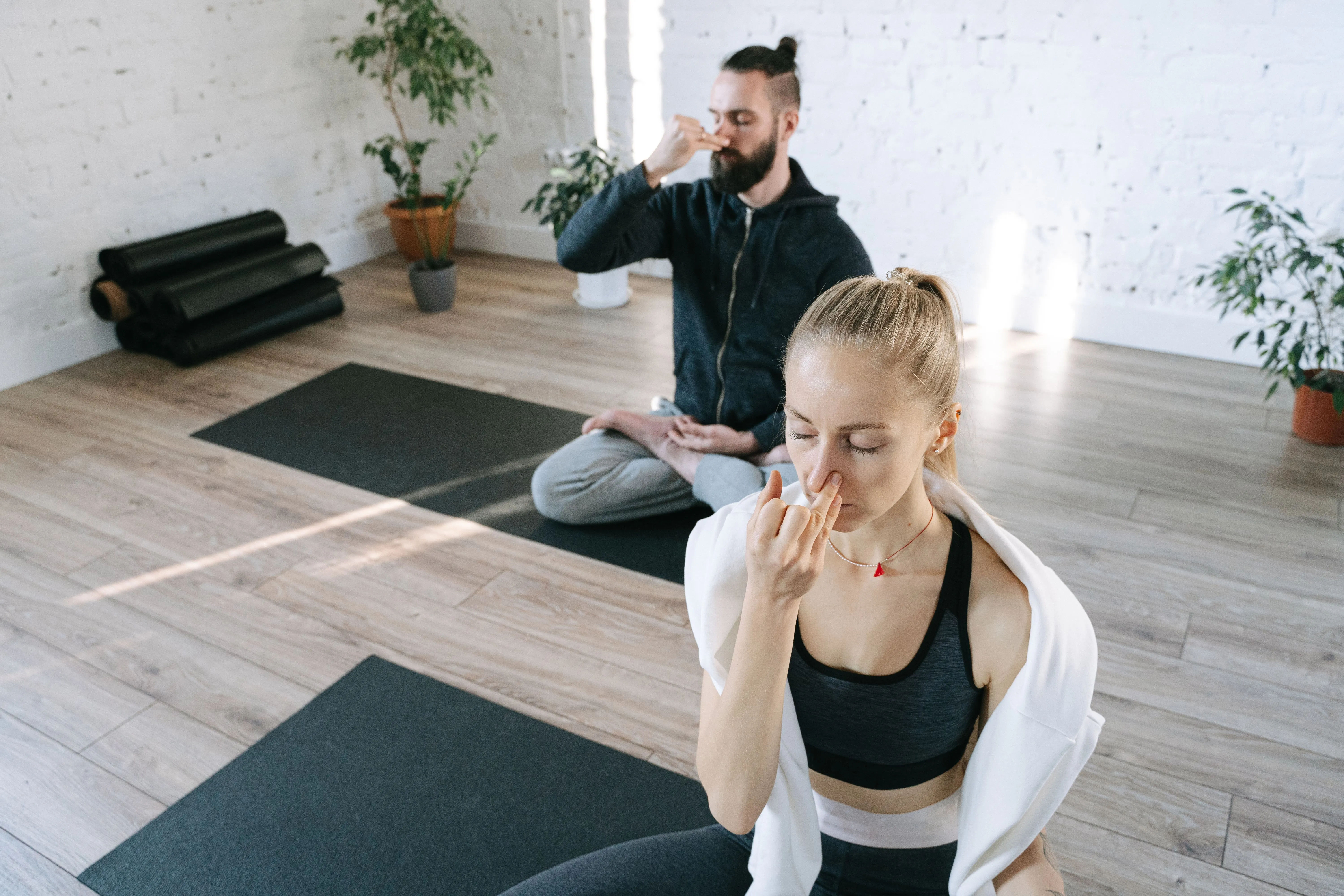
Your nervous system runs the show
The prefrontal cortex — the part of the brain that controls impulses and calms big emotions — keeps developing until the mid-20s, and stays trainable for life. Struggling to self-regulate in the moment isn't a discipline problem at any age. It's a skill gap, and skill gaps close with practice.
Meditation trains the exact circuit that regulates emotion
Neuroimaging research shows mindfulness practice increases activity in the prefrontal cortex and strengthens its connection to the amygdala, the brain's fear-and-threat center. This holds across age groups — from middle schoolers to adults — with studies showing measurably calmer stress responses after consistent practice.
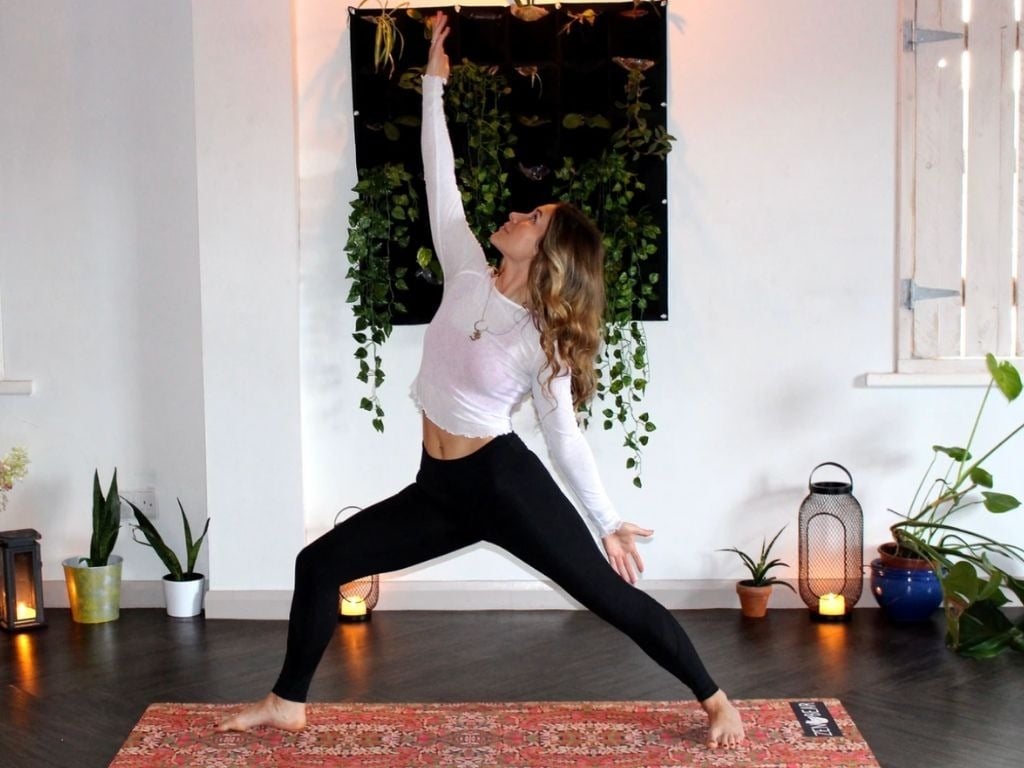
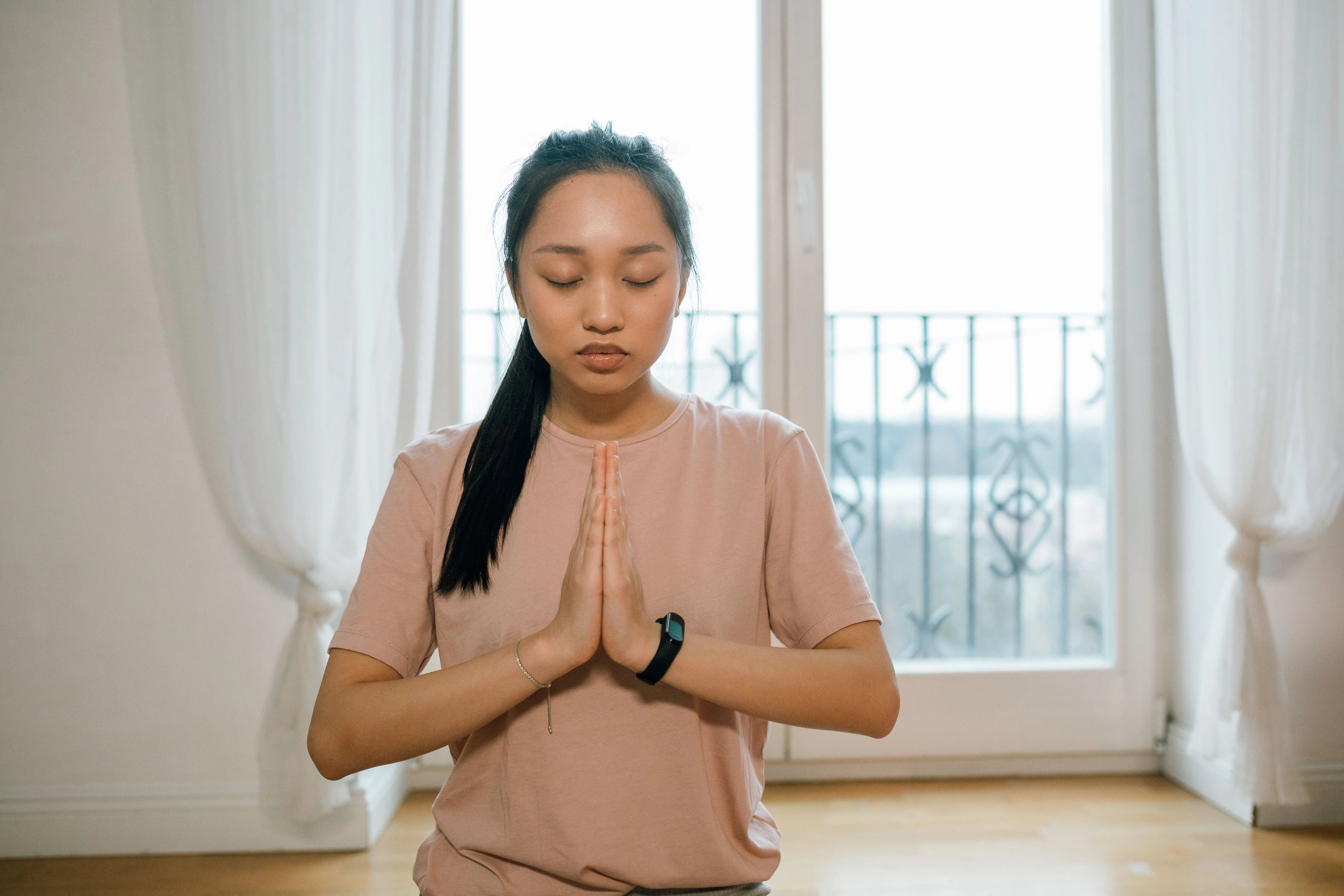
Regulation is a skill, not a fixed trait
The pathway between a big feeling and a calm response gets stronger with repetition, like a muscle. That's why Digital Detox is a weekly practice you move through at your own pace, instead of a one-time lesson — the brain changes through consistent use, not a single session.
Practicing pays off no matter when you start
Research links stronger emotional regulation to better relationships, steadier focus, and improved long-term mental health — whether the practice starts at 10 or 40. The earlier you build the skill, the longer you get to use it, but it's never too late to start.
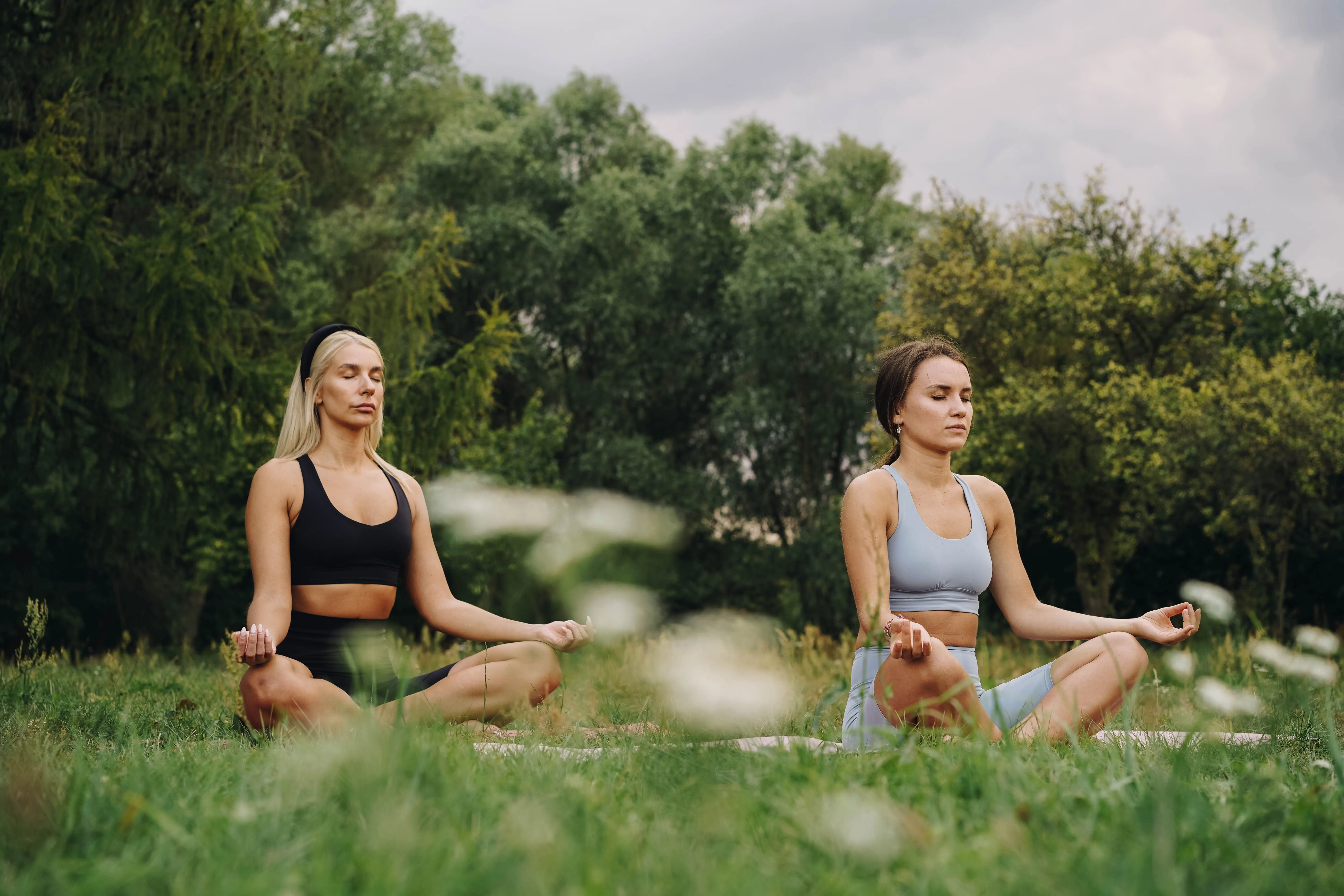
We Teach 6 Main Pillars
Every pillar pairs a breathwork or mindfulness practice with a digital detox challenge: a screen-free breath break, a device-free family meal, a screen-free wind-down before bed. It's not just “put the phone down.” It's something tangible instead.

Finding Your Anchor
Breath basics and body awareness
The Calm Switch
For overwhelm & focus
Naming the Storm
Breathwork for big feelings
Roots of Gratitude
Loving-kindness & connection
Growing Strong
Confidence & grounding
My Practice, My Power
Building a lasting daily practice
What's Included
Daily practices that are easy to follow

Downloadable workbook & journal
Printable “calm toolkit” cards to have on hand
Digital detox challenges to build healthy habits
Lifetime access — revisit any week, anytime
Optional 1:1 sessions with a certified instructor (upgrade)
Sage's Story
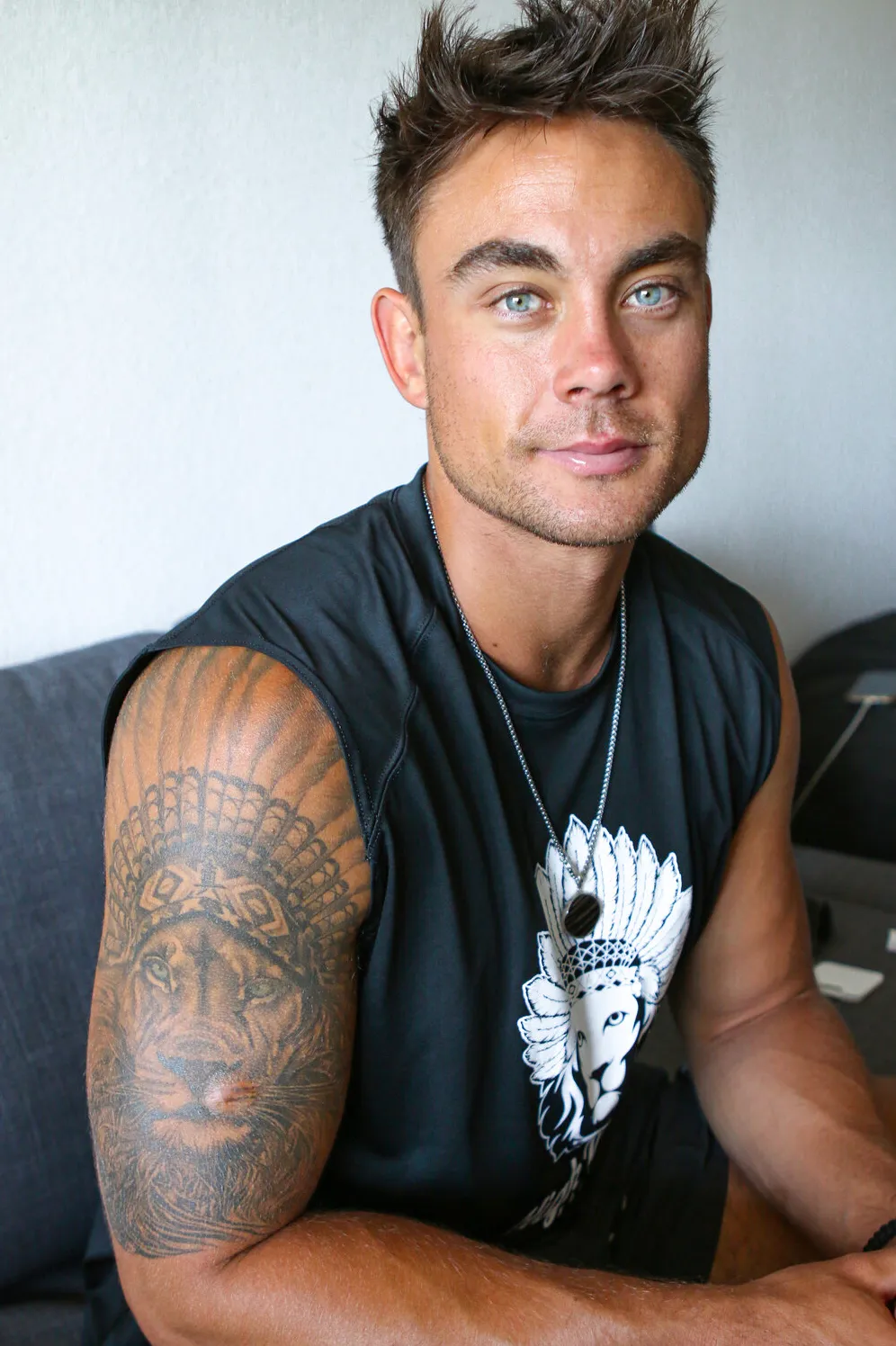
Sage Burmeister is the founder of High Vibe Holistic. Sage grew up in Southern California and was a student athlete who struggled with addiction early in life as a means of coping with overwhelm, stress and pressure. He was introduced to meditation as a senior in high school, and wished he had been taught these tools years earlier before the emotions and overwhelm turned him to drinking as a teen.
His mission is to bring this work to people early — whether that's age 10 or 40 — so they can learn to re-pattern the stress response and have the tools to calm themselves, instead of numbing.
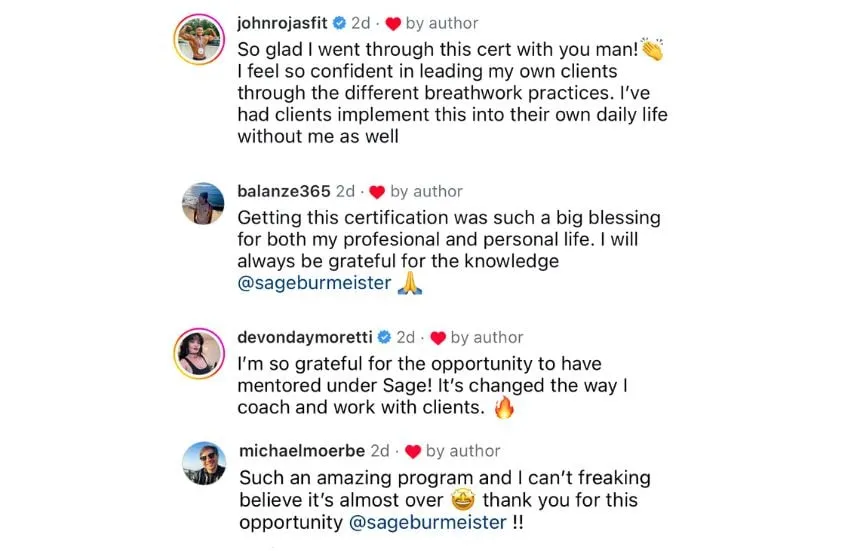
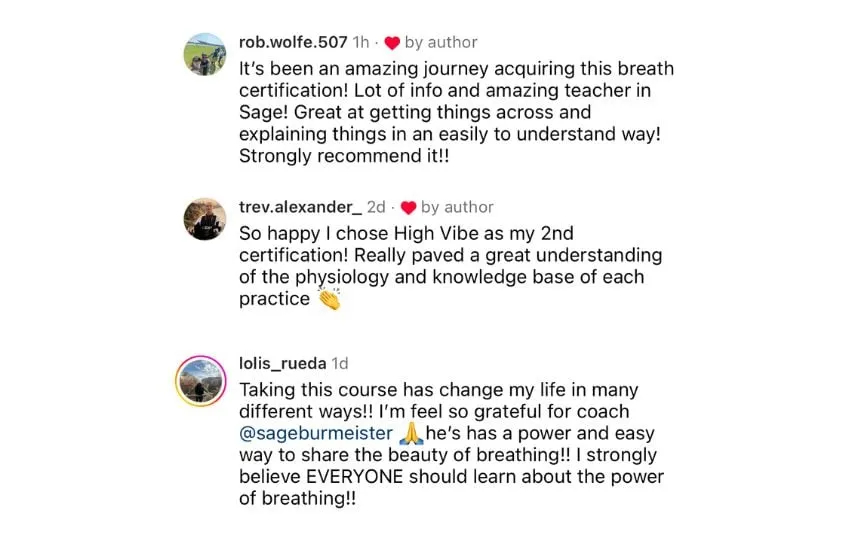
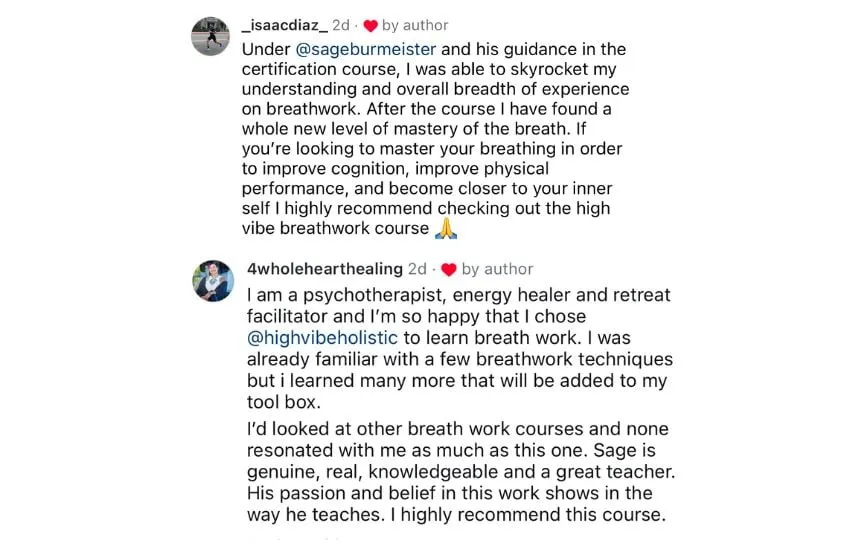
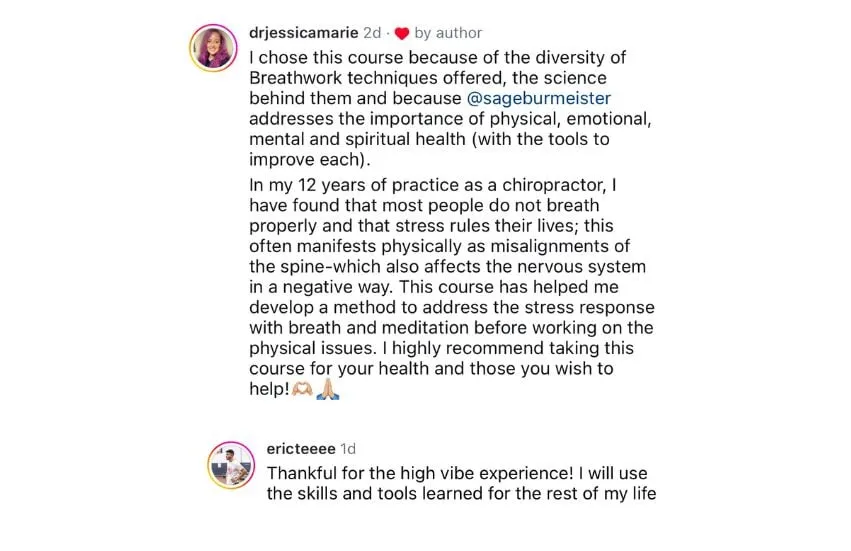
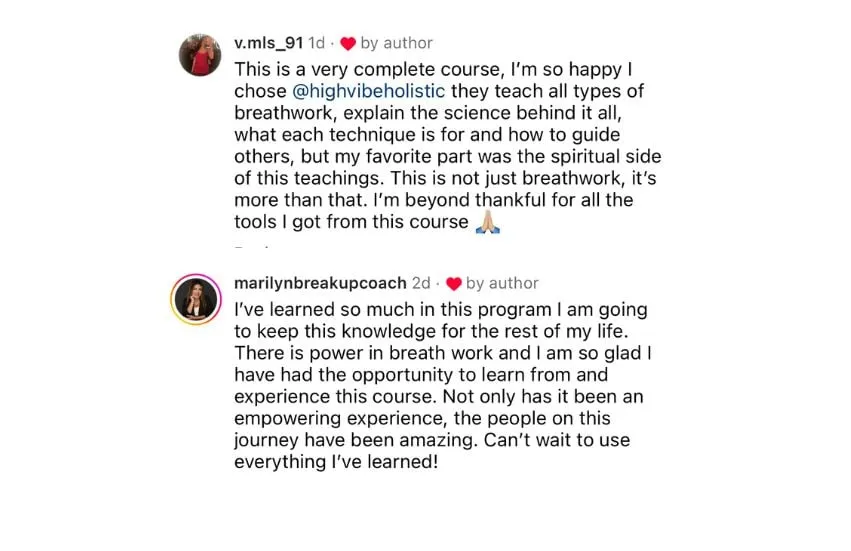
Trusted by students around the world...


FAQ
What ages is this course best for?
Digital Detox is designed for ages 10 and up. The practices are simple enough for a 10-year-old and substantial enough for an adult — we use techniques that scale to wherever you're starting from.
Does my child need any meditation experience?
None at all. Every technique is taught from the ground up, no prior experience needed.
How much time does it take each week?
Core content runs 15–30 minutes per week, plus a few minutes of daily practice. Go at your own pace — there's no set schedule to keep up with.
What happens after training ends?
You have lifetime access to every module. Come back to any week, anytime.
Can this be a family or shared practice?
Yes — the self-paced format makes it easy for a parent and child (or any two people) to move through the lessons together on your own schedule, without needing to coordinate around a live call.
Is this a replacement for therapy, or does it treat anxiety, depression, or other mental health conditions?
Absolutely not — but these are powerful tools. We teach a wellness and skill-building course, not therapy, and it doesn't diagnose, treat, or cure any mental health condition. If you or your child are showing signs of depression, anxiety, self-harm, or thoughts of suicide, please reach out to a licensed mental health professional. If you or your child are in crisis, call or text 988 (Suicide & Crisis Lifeline) any time.
What if I want more hands-on, live support?
You can add a 1:1 upgrade with one of our certified instructors at any time — reach out to us on Instagram @highvibeholistic to inquire.
-
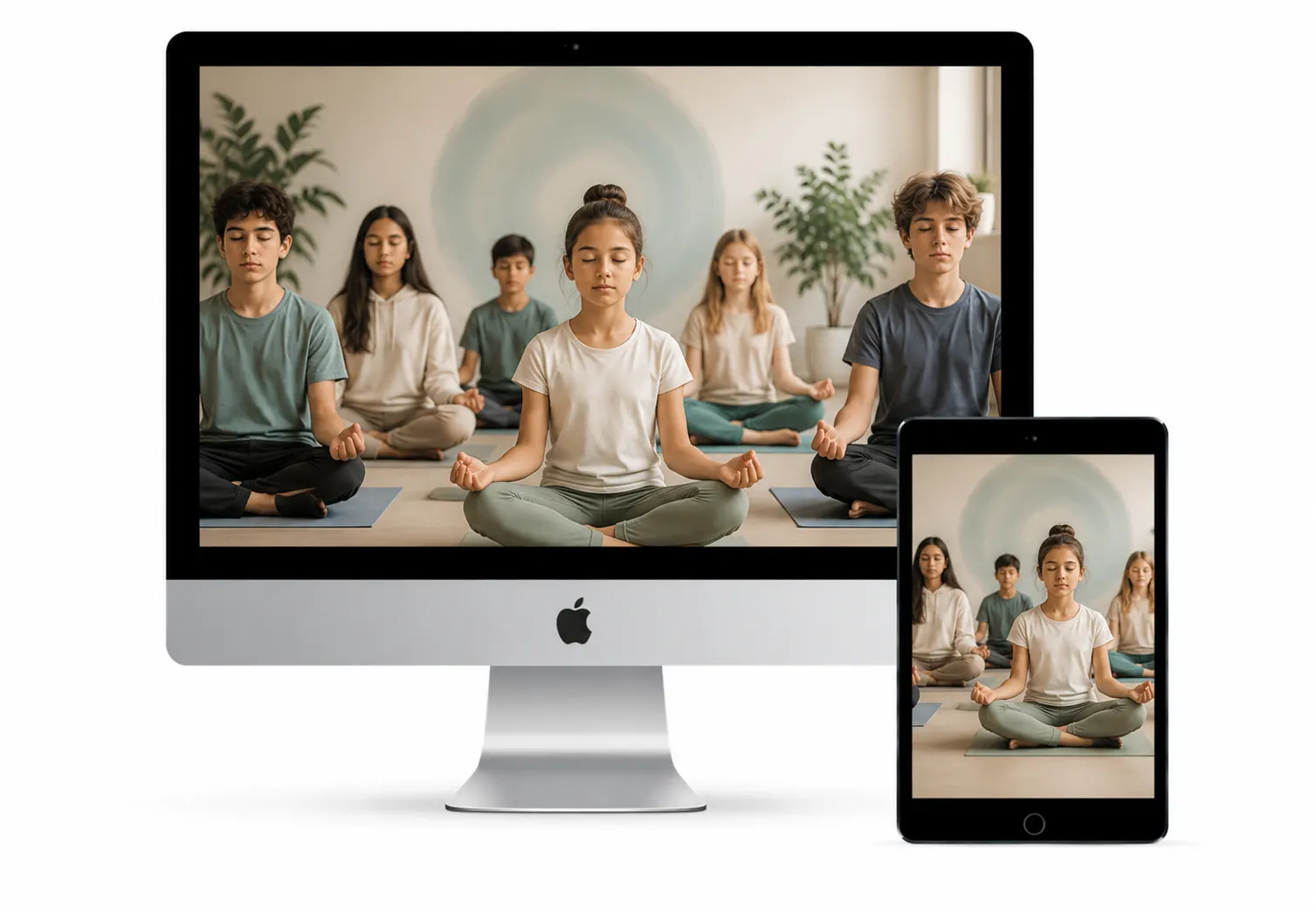
6 self-paced lessons
-
Workbook and printable "calm toolkit" cards for every week
-
Weekly digital detox challenge
-
Lifetime access — revisit any week, anytime
-
Optional 1:1 upgrade available anytime